دراسة مركز التجارة الدولية تكشف عن إمكانات مصر التصديرية في قطاع الملابس الطبية
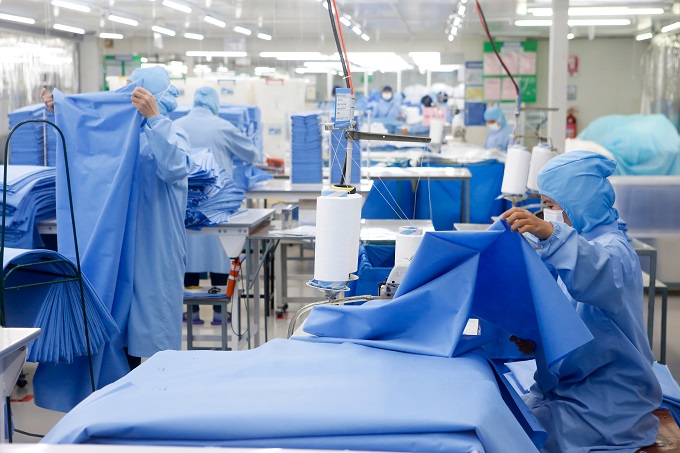
مصر في وضع يمكنها من أن تصبح لاعبًا إقليميًا في قطاع الملابس الطبية ؛ كشفت دراسة جديدة أجراها مركز التجارة الدولية في البداية أن العديد من القيود والتحديات بحاجة إلى التخفيف من حدتها. يمكن للبلاد أن تفتح طلبًا محليًا كبيرًا وتستفيد من سوق تصدير كبير إذا كانت قادرة على تنظيم سوقها ومؤسساتها المحلية ، والتي تقدر قيمتها بنحو 18.6 مليار دولار
في عام 2020 ، أقر تقرير توقعات التنافسية للشركات الصغيرة والمتوسطة الصادر عن مركز التجارة الدولي بإمكانية مصر في تولي الريادة الإقليمية في صادرات الأقمشة غير المنسوجة الاصطناعية ، وهي مادة أساسية لإنتاج الأقنعة المفلترة.
كان عام 2020 عامًا محوريًا بالنسبة للملابس الطبية نظرًا لانتشار COVID-19. كان للوباء تأثير كبير على القطاع وأدى إلى العديد من التغييرات ، بما في ذلك ، من بين أمور أخرى ، زيادة في الطلب على الملابس الطبية ؛ بسبب لوائح سياسة سلسلة التوريد التي تتطلب من الجمهور ارتداء واقي للوجه ، بالإضافة إلى زيادة الطلب في المستشفى.
ونتيجة لذلك ، نما سوق قطاع الملابس الطبية بنسبة مذهلة بلغت 46٪ ، ومن المتوقع أن ينمو الاستهلاك بنحو 5.4٪ حتى عام 2027 في أمريكا الشمالية وأوروبا والشرق الأوسط وأفريقيا. تمثل هذه الأسواق حوالي 75٪ من القطاع العالمي بقيمة تقارب 47.3 مليار دولار في عام 2019. نظرًا لقربها والوصول إليها معفاة من الرسوم الجمركية ، تتمتع مصر بإمكانية الوصول التفضيلي إلى معظمها
ومن ثم ، كلف مشروع المنسوجات والملابس العالمي التابع لمركز التجارة الدولية (GTEX / MENATEX) في مصر بإجراء دراسة فنية للمنسوجات – Medtech لتحليل قدرة مصر على لعب دور أكثر أهمية في توريد الملابس الطبية مثل الستائر ، والدعك ، والعباءات ، والقفازات ، وحماية الوجه ، والتعقيم. يلف والملابس الواقية وغيرها في السوق المحلية والدولية. بينما قُدرت قيمة قطاع الملابس الطبية العالمي بما يقرب من 63 مليار دولار في عام 2019 ، وجدت الدراسة أيضًا أن مصر لديها سوق يمكن الوصول إليه بحوالي 18.6 مليار دولار للمنسوجات الطبية والنظافة والملابس الطبية.
يوضح ماتياس كنابي ، رئيس برنامج الألياف والمنسوجات والملابس في مركز التجارة الدولية ، أن “تنمية هذا القطاع في مصر تتطلب الابتكار وتوعية السلطات المعنية بأهمية الملابس الواقية والقدرة على إنتاجها محليًا ، وكذلك من خلال إنشاء بيئة أعمال تمكينية للصناعة المحلية لاغتنام الفرص المحددة “. ويضيف: “في إطار مشروع GTEX / MENATEX الخاص بنا ، ندعم الشركات المستفيدة لإعادة توجيه جزء من إنتاجها إلى الملابس الطبية ، وهو إجراء حاسم لمساعدتهم على اغتنام الفرص الجديدة في مصر والخارج.”
هاني سلام ، عضو مجلس إدارة المجلس المصري لتصدير المنسوجات والمنسوجات المنزلية (THTEC) ومصنع المنسوجات التقنية ، هو من بين أصحاب المصلحة المتحمسين الذين يتطلعون إلى استكشاف قطاع الملابس الطبية في البلاد “لقد أتاح لنا COVID-19 فرصًا جديدة للإشراف الأزمة وإيجاد بدائل طويلة الأجل للاستثمار في قطاع MedTech المصري وزيادة حضورنا في السوق العالمية. وهو يحتفل بالدراسة التي أجراها مشروع GTEX / MENATEX التابع لمركز التجارة الدولية “هذه دراسة فريدة تركز لأول مرة على قطاع فرعي محدد للغاية وهو الملابس الطبية وتتيح الوصول إلى معلومات وإرشادات ثاقبة حول كيفية التغلب على نقاط الضعف والتحديات التي تواجهنا. وكذلك توصيات للوصول إلى الفرص غير المستغلة
النتائج والتوصيات الرئيسية
تتمتع مصر بفرصة كبيرة لتنمية تصنيع الملابس الطبية ، بدءًا من تنظيم سوقها المحلي وخلق طلب محلي كبير يمكن أن يخدمه الموردون المصريون. من خلال هيكلة السوق المحلية وتلبية المعايير الدولية ، يمكن لمصر استكشاف إمكاناتها لتصبح موردًا إقليميًا للملابس الطبية.
لا يزال قطاع الملابس الطبية المصرية متخلفًا بشكل كبير. بشكل عام ، يتميز السوق بعدم وجود معايير قابلة للتنفيذ ومرافق اختبار موثوقة. علاوة على ذلك ، بسبب الافتقار إلى المراقبة المناسبة والوعي المحدود بأهمية الملابس الطبية ، فإن الملابس والمنسوجات الطبية منخفضة الجودة نسبيًا التي يتم إنتاجها وبيعها في مصر.
بالإضافة إلى ذلك ، تعاني الدولة من عدم وجود مختبرات مؤهلة يمكنها إجراء مجموعة متنوعة من الاختبارات اللازمة لإنتاج وتصدير المنسوجات الطبية. ونتيجة لذلك ، يضطر المصنعون المصريون إلى إرسال منتجاتهم إلى الخارج للاختبار والاعتماد على المعامل والمؤسسات الأجنبية للحصول على شهادات لمنشآتهم ومنتجاتهم. يمكن أن تصل قيمة الشهادة إلى عشرات الآلاف من الدولارات الأمريكية أو اليورو ، مما قد يصعب على الشركات الصغيرة والمتوسطة التمويل.
للتغلب على هذه التحديات والاستفادة من الفرص الحالية ، تحتاج مصر إلى اتخاذ العديد من الإجراءات على مستويات مختلفة للوصول إلى النتائج المرجوة. للبدء بالحكومة ، يجب أن تنشئ مختبرات ومرافق اختبار مؤهلة. أوصت الدراسة بضرورة أن تنظر وزارة الصحة في إلغاء اللائحة التي تتطلب المغاسل الداخلية في المستشفيات وتشجيع إنشاء مغاسل صناعية مؤهلة للملابس الطبية في مصر.
أما بالنسبة للقطاع الخاص ، فيجب عليه اغتنام فرصة إمداد قطاع الرعاية الصحية ، وتحديد المنتجات ذات القيمة المضافة الأعلى. سيكون من الضروري تقديم الدعم الفني للمصنعين المحليين لتحسين الجودة والكفاءة وزيادة القيمة المضافة في إنتاج الملابس الطبية لتحقيق ذلك. بالتوازي مع ذلك ، فإن إنشاء مجلس الملابس الطبية أو المجلس الاستشاري أو مجموعة الضغط من مصنعي الأقمشة والملابس الطبية لتمثيل مصالح الصناعة وأخذ زمام المبادرة في قيادة التغيير سيكون خطوة تطوير رئيسية.
ITC study reveals Egypt’s export potential in the medical apparel sector
Egypt is in a position to become a regional player in the medical apparel sector; however, first several constraints and challenges need to be mitigated, a new study by the International Trade Centre revealed. The country can unlock significant local demand and tap into a large export market if it is able to organize its domestic market and institutions, potential valued of $18.6 billion.
In 2020, the International Trade Centre’s SME Competitiveness Outlook report acknowledged Egypt’s potential in taking regional leadership in exports of synthetic nonwoven fabrics, an essential material for filtered mask production.
2020 has been a pivotal year for Medical Apparel due to the spread of COVID-19. The pandemic had a significant impact on the sector and resulted in several changes, including, among others, a surge in demand for medical clothing; due to supply chain policy regulations requiring the public to wear face protection, as well as increased hospital demand.
As a consequence, the market for Medical Apparel sector grew by a staggering 46%, and consumption is expected to grow at around 5.4% until 2027in North America, Europe, Middle East and Africa. These markets represent around 75% of the global sector with a value of approximately $47.3 billion in 2019. Due to its proximity and duty-free access, Egypt has preferential access to most of them.
Hence, ITC’s Global Textiles and Clothing Project (GTEX/MENATEX) in Egypt commissioned the Technical Textiles – Medtech Study analyzing Egypt’s potential to play a more important role in supplying medical clothing such as drapes, scrubs, and gowns, gloves, facial protection, sterilization wraps, protective apparel, and others to the domestic and international market. While the global Medical Apparel sector was valued at close to $63 billion in 2019, the study also found that Egypt has a total accessible market of around $18.6 billion for medical and hygiene textiles and medical apparel.
Matthias Knappe, Head of the Fibres, Textiles and Clothing Programme at ITC, explains that “growing this sector in Egypt requires innovation, sensitization of the relevant authorities on the importance of protective apparel and the ability to produce them locally, as well as by creating an enabling business environment for the local industry to grasp identified opportunities”. He adds “under our GTEX/MENATEX project, we are supporting beneficiary companies to reorient part of their production into medical apparel, a crucial action to help them seize new opportunities in Egypt and abroad.”
Hany Sallam, board member of the Egyptian Textile & Home Textiles Export Council (THTEC) and manufacturer of technical textiles, is among the enthusiastic stakeholders looking forward to exploring the medical apparel sector in the country “the COVID-19 brought us new opportunities to oversee the crisis and find long-term alternatives to invest in the Egyptian MedTech sector and to increase our presence in the global market.” He celebrates the study commissioned by ITC’s GTEX/MENATEX project “this is a unique study that for the first time focuses on a very specific subsector namely the Medical Apparel and gives access to insightful information and guidelines on how to overcome the weaknesses and challenges of our national sector as well as recommendations for accessing untapped opportunities.”
Major findings and recommendations
Egypt has a significant opportunity to grow its medical garment manufacturing, starting by organizing its local market and creating a sizeable local demand that could be served by Egyptian suppliers. By structuring the domestic market and by meeting international standards, Egypt could explore its potential to become a regional supplier of medical apparel.
The Egyptian Medical Apparel sector is still significantly underdeveloped. Overall, the market is characterized by the absence of enforceable standards and reliable testing facilities. Moreover due to the lack of proper monitoring and limited awareness of the importance of Medical Apparel, relatively lower quality medical garments and textiles as produced and sold in Egypt.
In addition, the country suffers from the absence of qualified laboratories that can conduct the variety of tests required for the production and export of medical textiles. As a result, Egyptian manufacturers are forced to send their products abroad for testing and have to rely on foreign laboratories and institutions for the certification of their facilities and products. The certificate could run into the tens of thousands of US Dollars or Euros, which could be difficult for SMEs to finance.
To overcome these challenges and capitalize on current opportunities, Egypt needs to take several actions on different levels to reach the desired results. To start with the government, it should establish qualified laboratories and testing facilities. The Ministry of Health should consider removing the regulation requiring in-house laundries in hospitals and encourage the establishment of qualified industrial laundries for medical garments in Egypt, the study recommends.
As for the private sector, it should grasp the opportunity of supplying the healthcare industry,identifying higher value-added products. Technical support to local manufacturers to improve quality, efficiency and increase value addition in the production of Medical Apparel would be required to achieve this. In parallel, the establishment of a Medical Apparel Board, advisory board or lobby group of manufacturers of medical fabrics and apparel to represent the industry’s interests and take the lead driving the change would be a key developing step.